Hormonal Health
June 15, 2026
·
read
TRT and Sleep Apnoea: A Risk Men on Testosterone Need to Know About


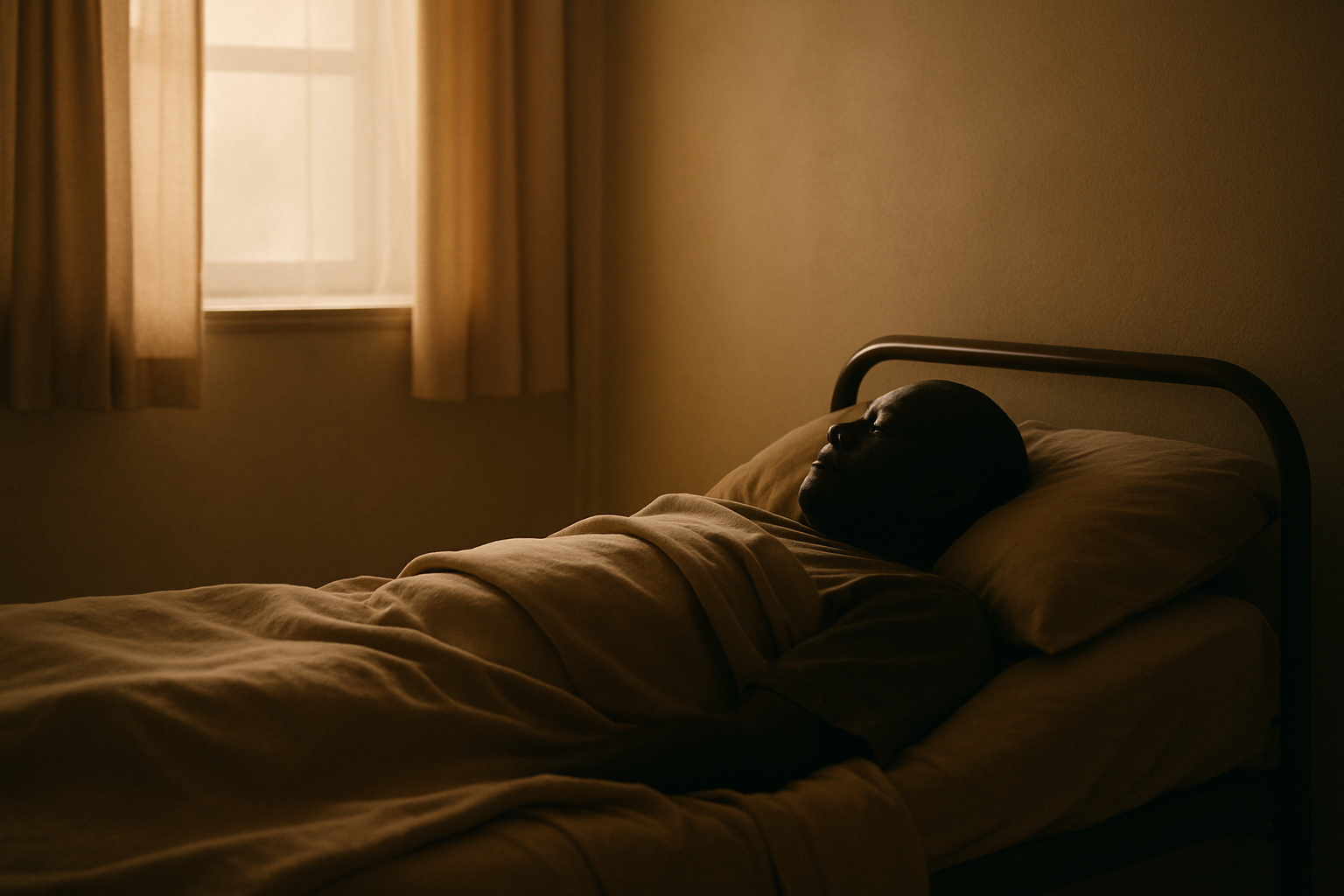
Testosterone therapy has benefits for men who genuinely need it, but like any treatment, it comes with considerations worth understanding. One that's sometimes overlooked is its potential relationship with sleep apnoea. At Noah, we think men on, or considering, TRT should be aware of this — not to alarm, but to underline why monitoring and medical supervision matter.
This article is general education, not medical advice. TRT requires a licensed Singapore doctor.
Sleep apnoea is a condition in which breathing is repeatedly interrupted during sleep, fragmenting rest and reducing its quality. Signs others may notice include loud snoring or pauses in breathing, while the person may experience unrefreshing sleep, daytime tiredness, or difficulty concentrating. It's a recognised condition that can affect health and wellbeing, and it sometimes goes undiagnosed because it happens during sleep.
Sleep apnoea is one of the considerations a doctor takes into account with testosterone therapy. It's discussed as a potential risk area, which is part of why men on TRT are monitored and why a doctor asks about sleep-related symptoms. The key point isn't to create worry but to highlight that this is exactly the kind of consideration medical supervision exists to manage. A doctor can take your individual situation into account, including any signs of sleep apnoea, when overseeing treatment.
This is a clear example of why TRT is a supervised, ongoing treatment rather than a one-off. Monitoring allows a doctor to keep an eye on relevant factors, ask about symptoms like sleep quality and daytime tiredness, and respond appropriately if anything arises. Sleep apnoea is part of the broader picture a doctor watches over time. Self-sourcing testosterone and using it without supervision bypasses this — including the attention to considerations like sleep apnoea that responsible care provides.
If you're on TRT, it's worth being aware of signs that might relate to sleep apnoea, such as loud snoring, unrefreshing sleep, daytime sleepiness, or a partner noticing pauses in your breathing. These are worth mentioning to your doctor rather than ignoring. Being open about how you're sleeping and feeling helps your doctor manage your treatment well, since they can only act on what they know.
A doctor can only manage what they're aware of, so being open about how you sleep and feel is genuinely useful. Many people don't realise their own night-time breathing is disrupted, which is why a partner's observations — loud snoring, pauses in breathing — can be valuable to mention. Daytime clues like persistent tiredness or poor concentration are worth raising too. None of this should cause alarm; it simply gives your doctor a fuller picture to work with. Sharing these details is part of being an active participant in your own care, and it helps your treatment stay appropriate.
Sleep apnoea is one example of why TRT is monitored over time rather than set and forgotten. Testosterone therapy comes with a range of considerations that a doctor keeps in view, adjusting the plan as needed. This ongoing oversight is exactly what self-sourcing testosterone bypasses — along with the attention to considerations like sleep that responsible care provides. The takeaway isn't to fear TRT, but to recognise that its benefits, for men who genuinely need it, come paired with supervision designed to keep treatment safe and individualised.
It's worth speaking to a licensed doctor if you're on TRT and have noticed signs that might relate to sleep apnoea, if you're considering TRT and want to understand its considerations, or if you have existing sleep concerns alongside TRT. A doctor can assess the fuller picture, consider whether further evaluation is needed, and manage your treatment appropriately.
TRT requires assessment and ongoing supervision by a doctor. Considerations like sleep apnoea are part of why that supervision matters.
If you have questions about TRT and sleep, a doctor can help. Noah connects you with MOH-licensed Singapore doctors through discreet, confidential online consultations. Start a consultation to discuss your situation.
This article is for general education and is not medical advice. A consultation with a licensed doctor is required before any treatment.
Testosterone therapy has benefits for men who genuinely need it, but like any treatment, it comes with considerations worth understanding. One that's sometimes overlooked is its potential relationship with sleep apnoea.