Hormonal Health
June 15, 2026
·
read
TRT and Gym Performance: Setting Realistic Expectations


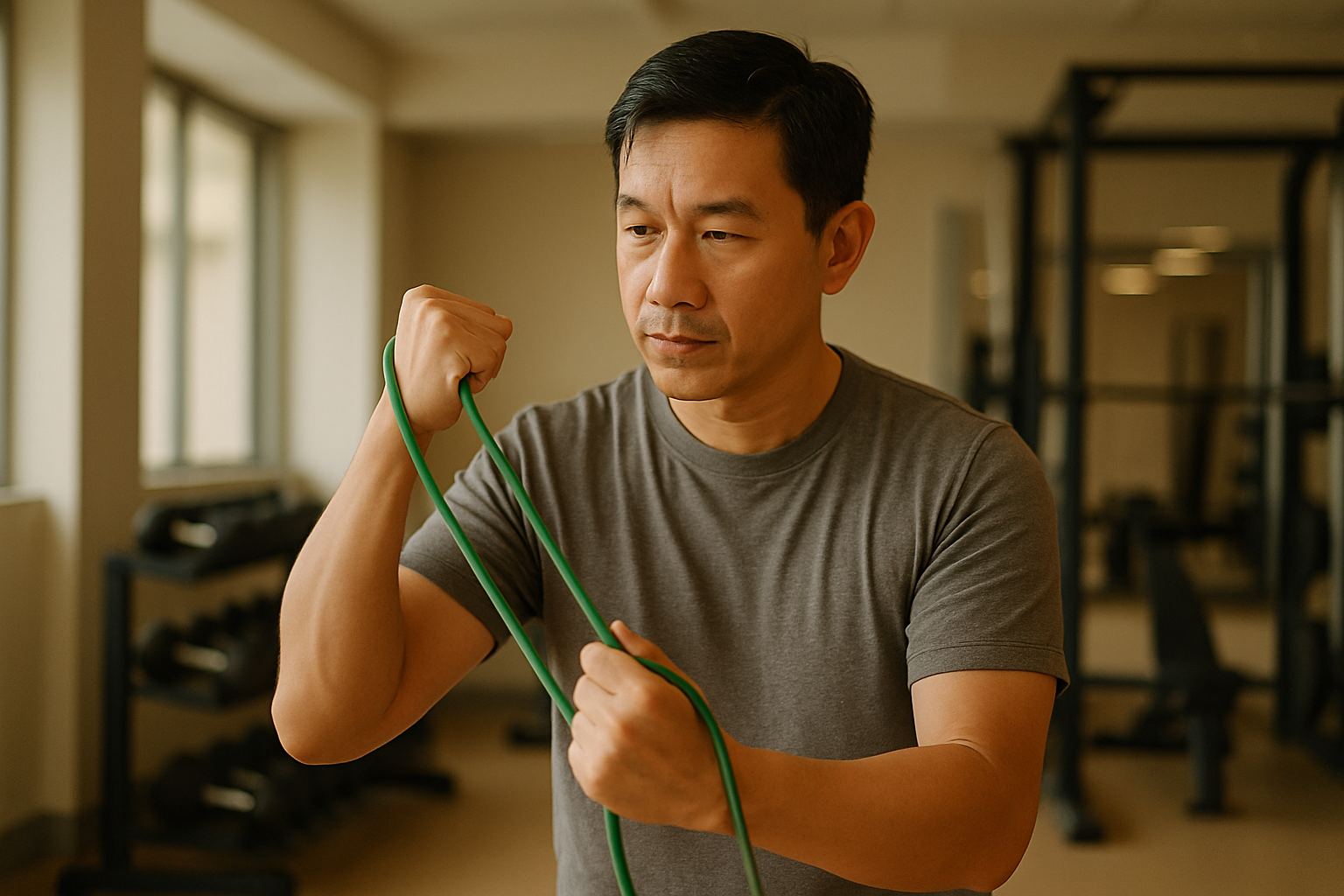
There's a lot of hype online about testosterone therapy and the gym, often framing TRT as a shortcut to dramatic gains. That framing is misleading and worth correcting. TRT is a medical treatment for men with genuinely low testosterone — not a performance enhancer. At Noah, we think realistic expectations matter here, both for your wellbeing and to keep the focus where it belongs: on appropriate medical use.
This article is general education, not medical advice. TRT requires a licensed Singapore doctor and is not a performance aid.
TRT is used to address genuinely low testosterone in men, confirmed through proper assessment and managed under medical supervision. Its purpose is to address symptoms associated with low testosterone, not to boost an already-normal level for athletic gains. This distinction is fundamental. Using testosterone to chase performance, rather than to treat a confirmed medical need, falls outside appropriate use and carries real risks — which is why TRT is firmly a doctor-led treatment.
Online narratives often blur the line between treating low testosterone and enhancing performance, promising dramatic muscle and strength gains. This is misleading for a few reasons. TRT addresses a deficiency where one exists; it isn't a tool for pushing a healthy man beyond his normal range. Responses are individual, results aren't guaranteed, and the goal of treatment is restoring wellbeing, not maximising gym numbers. Buying into the hype sets up unrealistic expectations and can encourage inappropriate, unsupervised use.
For men who genuinely have low testosterone, appropriately managed TRT may help with symptoms associated with the condition, which can include energy and wellbeing. Any effects relevant to training should be understood in that context — as part of addressing a deficiency, not as a performance boost — and they vary between individuals. The realistic frame is restoration of normal function where it was lacking, not transformation. A doctor can explain what's reasonable for your situation.
Treating TRT as a performance shortcut encourages exactly the wrong behaviours: self-sourcing, self-dosing, and skipping the assessment and monitoring that make it safe. Testosterone therapy has real considerations and requires ongoing supervision. Keeping expectations realistic — and the purpose medical — protects you. This is also why anyone offering testosterone for performance reasons, outside proper medical care, should be treated with caution.
Beyond being inaccurate, the performance framing is risky because it encourages exactly the wrong behaviours. Men who see testosterone as a gym shortcut are more likely to consider self-sourcing and self-dosing, skipping the assessment and monitoring that make any testosterone use safe. The hype can also breed disappointment, since reality rarely matches the promises. Keeping the purpose firmly medical — addressing a confirmed deficiency under supervision — protects against both the safety risks and the letdown. It's a reminder that responsible use and performance marketing pull in opposite directions.
For men who do have low testosterone, the meaningful goal of treatment is restoring normal function and wellbeing where it was lacking — not chasing gym numbers. Any effects relevant to training should be understood within that context, and they vary between individuals. Framing TRT this way keeps expectations grounded and the focus where it belongs: on health. A doctor can help you understand what's realistic for your situation, which is far more useful than expectations shaped by online narratives promising transformation.
It's worth speaking to a licensed doctor if you have symptoms that might relate to low testosterone — such as persistent fatigue, low libido, or low mood — and want them properly assessed. It's not appropriate to pursue testosterone for gym performance; a doctor's role is to determine whether low testosterone is genuinely present and whether treatment is suitable.
TRT requires assessment and ongoing supervision by a doctor. It is a treatment, not a performance enhancer.
If you have symptoms of low testosterone, a doctor can assess them properly. Noah connects you with MOH-licensed Singapore doctors through discreet, confidential online consultations. Start a consultation to discuss your situation.
This article is for general education and is not medical advice. A consultation with a licensed doctor is required before any treatment.
There's a lot of hype online about testosterone therapy and the gym, often framing TRT as a shortcut to dramatic gains. That framing is misleading and worth correcting.