Hormonal Health
June 15, 2026
·
read
Early Weight Gain on TRT: Fluid vs Fat



You start testosterone replacement therapy, and within a couple of weeks the scale has climbed. It's a common moment of worry — has the treatment made you gain fat? Often, the more likely explanation early on is fluid, not fat. At Noah, this distinction reassures a lot of men. Understanding it helps
You start testosterone replacement therapy, and within a couple of weeks the scale has climbed. It's a common moment of worry — has the treatment made you gain fat? Often, the more likely explanation early on is fluid, not fat. At Noah, this distinction reassures a lot of men. Understanding it helps you read your own progress more accurately. This is educational; your treatment and any weight concerns should be assessed by a licensed doctor.
Testosterone can cause mild fluid retention, especially when treatment first starts or after a dose. Fluid has weight, so this can show up on the scale fairly quickly — sometimes within days or a couple of weeks. This kind of early gain is frequently water rather than fat.
The timing is the giveaway. Fat accumulates gradually over weeks and months in response to a sustained calorie surplus. A relatively fast rise in the first weeks of treatment is more consistent with fluid shifts, which often stabilise as your body adjusts.
A few rough pointers can help, though only a doctor can interpret your situation properly:
That said, these overlap, and the two can coexist — which is exactly why a doctor's read matters rather than guesswork.
If weight continues climbing steadily beyond the early weeks, it may reflect fat gain, and it's worth examining the usual drivers: diet, activity, and overall energy balance. TRT itself isn't a licence to gain fat, and it isn't a weight-loss treatment either. A doctor can help you interpret what's happening and look at the contributing factors.
It's worth being clear: testosterone replacement therapy is a prescription medicine that a doctor assesses, prescribes, and monitors for a confirmed deficiency — not a treatment for weight. Any effect on body composition is part of overall care, with lifestyle remaining central.
Mild, settling fluid retention is usually harmless. But significant fluid gain — especially with leg or ankle swelling, breathlessness, or a rapid large increase — warrants prompt medical attention, as it can occasionally signal an issue with the heart or that the dose is higher than needed. This is particularly relevant for men with existing heart or kidney conditions.
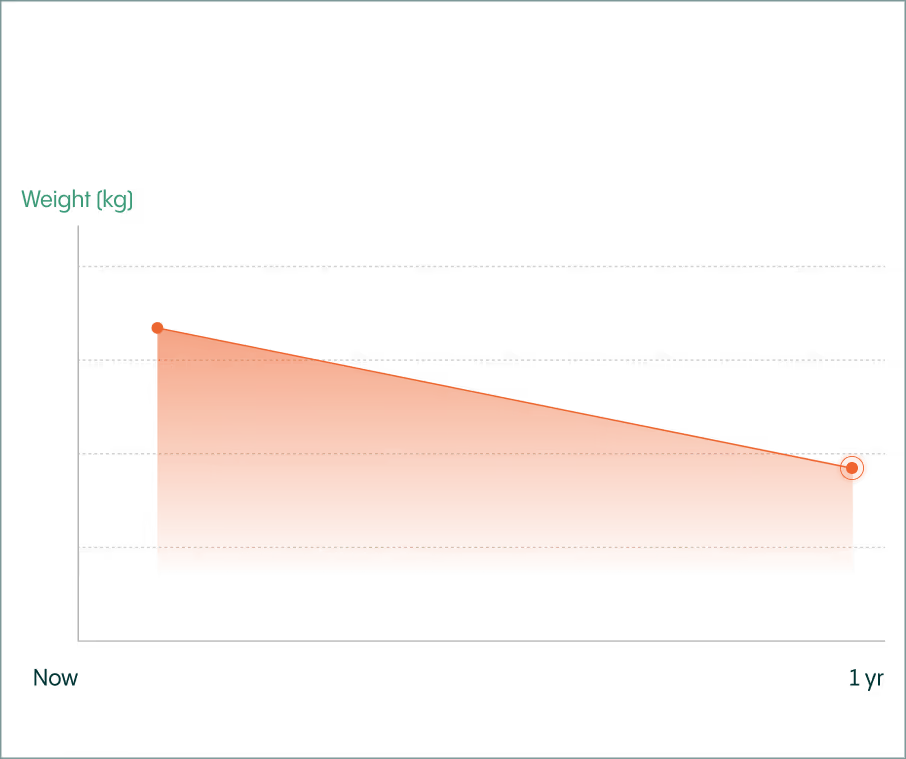
A simple way to make sense of early weight changes is to watch the trajectory over time rather than reacting to a single reading. Weighing yourself consistently — same time of day, similar conditions — and noting the pattern helps distinguish a quick early rise that plateaus (more consistent with fluid) from a steady ongoing climb (more suggestive of fat). It's also worth paying attention to where any change shows up: puffiness in the face, hands, or ankles points toward fluid, whereas a gradual thickening around the midsection over months points more toward fat. Keeping this record gives your doctor something concrete to interpret at a review. What it shouldn't trigger is alarm or self-directed changes to your treatment; early fluid-related fluctuations are common and often settle. If the trend keeps climbing beyond the early weeks, that's the cue to look honestly at diet and activity and to involve your doctor in interpreting what's happening.
If you've gained weight on TRT and aren't sure whether it's fluid or fat, or if you have significant swelling or breathlessness, speak to your doctor. They can assess the cause, interpret your trajectory, and consider whether anything — including dosing — needs reviewing.
On Noah, you can speak to a licensed Singapore doctor discreetly and from home. They can help you make sense of early weight changes in the context of your treatment.
Speak to a licensed doctor on Noah if early weight gain on TRT has you concerned.
This article is for general education and is not medical advice. A consultation with a licensed doctor is required before any treatment.
You start testosterone replacement therapy, and within a couple of weeks the scale has climbed. It's a common moment of worry — has the treatment made you gain fat?

Articles featured on Noah are for informational purposes only and should not be constituted as medical advice, diagnosis or treatment. If you have any medical questions or concerns, please talk to your healthcare provider. If you're looking for a healthcare provider, click here.