Hormonal Health
June 15, 2026
·
read
Diet on TRT: How Nutrition Supports Treatment



Testosterone replacement therapy (TRT) addresses one piece of how you feel — but it doesn't override the basics of nutrition. What you eat continues to shape your energy, body composition and overall health, and it can help your treatment do its job. On Noah, a licensed Singapore doctor oversees you
Testosterone replacement therapy (TRT) addresses one piece of how you feel — but it doesn't override the basics of nutrition. What you eat continues to shape your energy, body composition and overall health, and it can help your treatment do its job. On Noah, a licensed Singapore doctor oversees your TRT, and good nutrition is something that works alongside it, not instead of it. Here's a balanced look at how diet supports treatment.
It's worth saying plainly: TRT supports your physiology when testosterone is genuinely low, but it isn't a shortcut around diet. The men who feel best on treatment are usually those who pair it with sensible eating, rather than expecting the therapy to carry everything.
A doctor will frame TRT as one part of a broader picture of health — and nutrition is one of the more powerful parts you control directly.
There's no exotic "testosterone diet," and you should be wary of anything marketed that way. The fundamentals are the same ones that support general health:
These aren't glamorous, but they're what genuinely help — and they support the goals most men have for TRT.
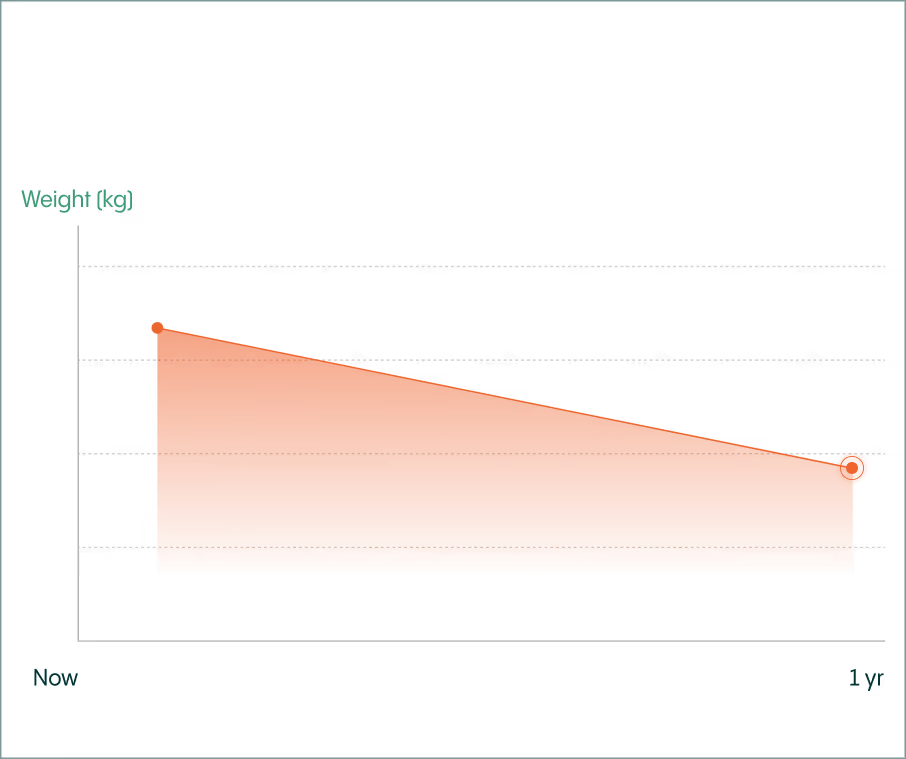
Body composition and testosterone are linked, which is part of why nutrition matters here. Carrying excess weight can influence hormonal balance, and conversely, supporting a healthier weight through diet can complement treatment.
Combined with the changes TRT may bring, good nutrition gives you the best chance of seeing improvements in how your body looks and feels over time. It's a partnership, not a competition.
The internet is full of foods and supplements claimed to "boost testosterone." Most of these claims outrun the evidence. While a healthy diet supports overall hormonal health, no single food is a magic lever — and on TRT, your levels are managed by your prescribed treatment, not by chasing trendy foods.
A doctor can help you separate sensible nutrition from marketing, which saves money and disappointment.
Beyond hormones, diet affects energy, mood and sleep — all things TRT also touches. Eating regularly, staying hydrated and avoiding energy crashes from poor food choices help you feel steadier, amplifying the benefits you're hoping treatment provides.
It's easy to overthink nutrition, but the men who do best on TRT usually aren't chasing a perfect, restrictive diet — they're being consistent with sensible basics. Regular balanced meals, enough quality protein, plenty of whole foods, and not overdoing sugar and alcohol will take you further than any complicated regimen.
Consistency also helps you read your own progress. If your eating is steady, it's easier to tell whether changes in energy, weight or how you feel relate to your treatment. Erratic habits muddy that picture. So rather than pursuing the latest "testosterone diet," aim for a way of eating you can actually sustain. Combined with the support TRT provides when levels are genuinely low, steady good habits give you the best, most realistic shot at feeling well over time.
If you want your diet to genuinely support your TRT, a doctor can offer guidance suited to your health and goals, and flag anything specific to your situation. They can also help if weight or metabolic health is part of your bigger picture.
A licensed doctor can advise on nutrition alongside your treatment and keep the whole plan coherent.
Speak to a licensed doctor on Noah to align diet with your treatment. Start a consultation discreetly, and let a MOH-licensed Singapore doctor guide you.
This article is for general education and is not medical advice. A consultation with a licensed doctor is required before any treatment.
Testosterone replacement therapy (TRT) addresses one piece of how you feel — but it doesn't override the basics of nutrition.

Articles featured on Noah are for informational purposes only and should not be constituted as medical advice, diagnosis or treatment. If you have any medical questions or concerns, please talk to your healthcare provider. If you're looking for a healthcare provider, click here.