Hormonal Health
May 21, 2026
·
8 mins
read
Testosterone Test in Singapore: Cost, Where to Get It, and What to Expect


If you suspect your testosterone may be low — because of fatigue, low libido, mood changes, or a doctor's suggestion — the first concrete step is a blood test. This guide walks you through what a testosterone test in Singapore actually involves: where you can go for it, how much it costs at different settings, when you should have it done, what it measures, and what comes after.
If you suspect your testosterone may be low — because of fatigue, low libido, mood changes, or a doctor's suggestion — the first concrete step is a blood test. This guide walks you through what a testosterone test in Singapore actually involves: where you can go for it, how much it costs at different settings, when you should have it done, what it measures, and what comes after.
For background on the symptoms and causes of low testosterone, see our complete guide to low testosterone in Singapore.
A testosterone test is generally worth considering if you are experiencing several of these together, particularly if they have developed gradually over months or years:
A single symptom in isolation is usually not enough reason for a test. A cluster of symptoms, or a clear change from how you used to feel, is. Speak to a doctor about whether testing is appropriate for you.
Singapore has several options, each with different trade-offs on cost, convenience, and waiting time.
Polyclinics typically offer the most affordable route, particularly for Singaporeans and PRs who qualify for subsidies. You'll usually need a GP consultation first, which can lead to a referral for the test through a hospital lab. Restructured hospitals — SGH, NUH, Tan Tock Seng, and others — also offer hormone testing through their endocrinology or men's health services.
Private clinics offer faster appointment availability, often same-day or next-day. The consultation is more expensive than a polyclinic, but for many people the time saved is worth it. Some men's health clinics specialise in hormone testing and have dedicated diagnostic packages.
Telemedicine services such as Noah let you do the consultation entirely online with a Singapore-licensed doctor. If a blood test is recommended, you visit a partner lab for the draw and receive results digitally. This is often the most convenient option for men who don't want to take time off work or sit in a clinic waiting room.
Some private laboratories in Singapore offer direct-pay testing without a referral. This is usually the cheapest path for the test itself, but the trade-off is that you receive results without clinical interpretation — which for hormone testing, where context matters enormously, is often less useful than it sounds.
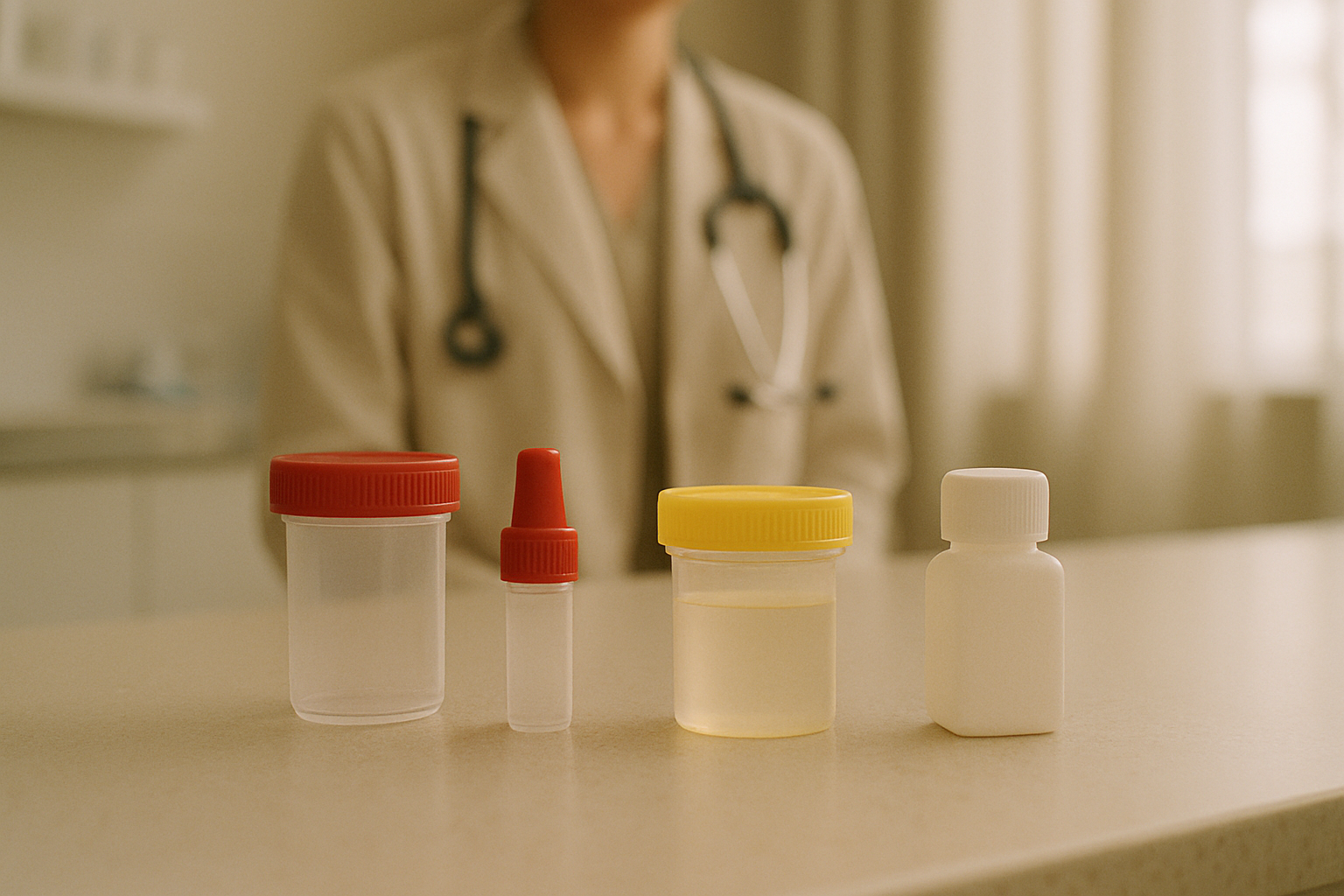
Costs vary meaningfully across settings. The figures below are typical ranges as of 2026 and are intended as a guide rather than a quote.
Importantly, testosterone testing is not covered by Medisave or CHAS. Some private health insurance plans cover it; check your policy. Most men in Singapore pay out of pocket for hormone testing.
A basic testosterone test measures total testosterone — the total amount of the hormone in your blood, both bound and unbound. This is the standard starting point.
A more comprehensive panel adds:
For a deeper dive on how to interpret each of these numbers, see our guide to reading testosterone test results.
A testosterone test is a straightforward blood draw. A few practical points matter:
Time of day matters. Testosterone has a strong circadian rhythm, peaking in the morning and declining through the day. Clinical guidelines recommend the test be done between roughly 7am and 10am. A test drawn in the afternoon can read as falsely low.
Fasting is sometimes requested. A short fast (no food for 8–12 hours, water is fine) is sometimes asked for when other tests are being run alongside (such as glucose or lipids). For testosterone alone, fasting is not strictly required — but follow your clinician's specific instructions.
Avoid testing during acute illness or significant stress. Recent illness, severe sleep loss, or extreme exercise can transiently suppress testosterone. Test when you are feeling more or less normal.
A single low result is not a diagnosis. Clinical guidelines from the Endocrine Society and the American Urological Association recommend confirming a low result with a repeat test on a separate morning before any clinical decisions are made. Day-to-day variation is real.
Your doctor interprets the result in the context of your symptoms, your age, and any other relevant medical history.
If your testosterone is clearly within the normal range and your symptoms persist, your doctor will usually look for other causes — thyroid function, sleep disorders, depression, and medication side effects are common ones.
If your testosterone is borderline, the next step is often a repeat test plus a more detailed panel (free testosterone, SHBG, LH, FSH) to clarify the picture.
If your testosterone is clearly low and your symptoms align, your doctor will discuss next steps with you. These typically include addressing any reversible causes (sleep, weight, medications) and discussing whether testosterone replacement therapy is appropriate. We cover what that pathway looks like in our low testosterone guide.
Most labs in Singapore return total testosterone results within 1–3 working days. A comprehensive hormone panel may take a few days longer because some components take longer to process.
Not always. Some private labs allow direct-pay testing without a referral. However, hormone results are most useful when interpreted by a doctor in the context of your symptoms, so a consultation — in person or via telemedicine — is usually the more useful path.
Total testosterone is the sum of bound and unbound testosterone in your blood. Free testosterone is the small fraction (1–2%) that's biologically active. When SHBG is high or low, total and free testosterone can tell different stories — which is why a comprehensive panel is often more informative than total testosterone alone.
For men without symptoms, routine testosterone testing is not generally recommended by major clinical guidelines. The picture changes if you have symptoms that could be hormonal, or if you have specific risk factors (e.g. a history of pituitary issues, certain medications, type 2 diabetes).
No. Testosterone testing is not covered by Medisave or CHAS in Singapore. Some private health insurance plans cover it; check your specific policy.
If you'd like to discuss whether a testosterone test is appropriate for you, you can book a confidential consultation with a Singapore-licensed doctor on Noah. The consultation is conducted online; any required blood work is arranged through partner laboratories.

Articles on Noah are for informational purposes only and do not replace medical advice from a qualified doctor. If you have any questions or concerns about your health, please speak to a Singapore-licensed doctor. To consult on Noah, click here. Noah's editorial standards, source hierarchy, and clinical governance are described on our editorial standards page.

Bhasin S, et al. Testosterone Therapy in Men With Hypogonadism: An Endocrine Society Clinical Practice Guideline. JCEM. 2018;103(5):1715–1744.
Mulhall JP, et al. Evaluation and Management of Testosterone Deficiency: AUA Guideline. American Urological Association, 2018 (updated 2023).
SingHealth. Losing his mojo — Andropause and Low Testosterone in Singapore. (Link)