Hair Loss
June 15, 2026
·
read
Telogen Effluvium vs Male Pattern Baldness: How to Tell the Difference


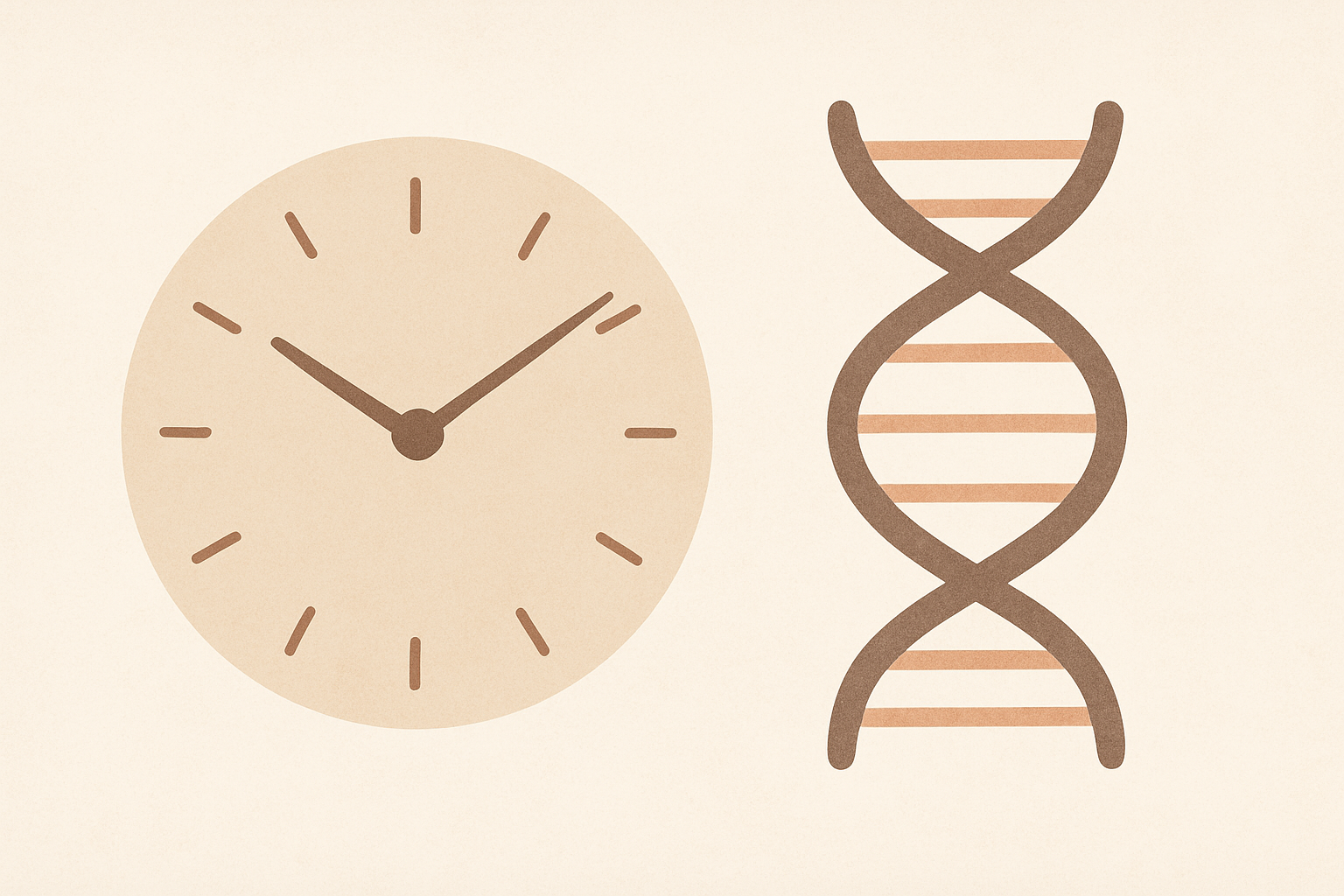
Noticing more hair than usual coming out can be unsettling — but the cause makes all the difference. Two common explanations, telogen effluvium and male pattern baldness, look and behave differently and are approached differently. At Noah, we think understanding the distinction helps you respond sensibly, ideally with a doctor's assessment to confirm what's actually going on.
This article is general education, not medical advice. A licensed Singapore doctor can assess your hair loss.
Telogen effluvium is a temporary form of diffuse shedding that can follow a significant physical or emotional stressor — illness, fever, surgery, major stress, or substantial weight loss. A trigger pushes more hairs than usual into the shedding phase of the hair cycle, leading to increased shedding that typically appears a couple of months after the event. It tends to be a general thinning across the scalp rather than a specific pattern, and the follicles usually remain capable of regrowth, so it's often temporary.
Male pattern baldness is different. It's driven largely by genetics and hormones — specifically the effect of DHT on genetically sensitive follicles — and it follows a recognisable pattern, typically a receding hairline or thinning crown. Rather than diffuse temporary shedding, it involves gradual follicle miniaturisation over time and is usually progressive. This is the most common form of long-term hair loss in men, and it behaves quite differently from telogen effluvium.
A few distinctions help tell them apart:
These aren't foolproof on their own, and the two can sometimes coincide, which is why a doctor's assessment is valuable for confirmation.
Getting this right matters because the two are approached differently. Telogen effluvium may settle on its own as the hair cycle normalises, sometimes needing little more than time and reassurance. Male pattern baldness is a different, usually progressive process for which a doctor may discuss appropriate options. Acting on the wrong assumption can mean unnecessary worry or missed opportunities, which is why understanding the cause comes first.
Part of what makes telling these apart tricky is that they can sometimes coincide, and early changes aren't always obvious. Heavy shedding can feel alarming and be mistaken for the start of permanent baldness, while gradual pattern hair loss can be overlooked because it's slow. The diffuse, temporary nature of telogen effluvium contrasts with the patterned, progressive nature of male pattern baldness — but in practice the picture isn't always clear-cut. This is exactly why a doctor's assessment is valuable for confirmation, rather than relying on self-diagnosis from how things look in the mirror.
The distinction matters because the two are approached differently. Telogen effluvium may settle on its own as the hair cycle normalises, sometimes needing little more than time and reassurance. Male pattern baldness is a different, usually progressive process for which a doctor may discuss appropriate options. Acting on the wrong assumption can mean unnecessary worry or missed opportunities. Understanding the cause first — ideally confirmed by a doctor — ensures your response fits what's actually happening, rather than being based on a guess.
It's worth speaking to a licensed doctor if shedding is heavy or prolonged, if you're unsure whether it's temporary shedding or pattern baldness, if it doesn't settle over time, or if you're simply concerned. A doctor can assess the pattern and history, consider whether a trigger or other factors are involved, and advise accordingly.
Hair loss treatments, where relevant, require medical assessment. Understanding the cause is the essential first step.
If you want clarity on what's behind your shedding, a doctor can help. Noah connects you with MOH-licensed Singapore doctors through discreet, confidential online consultations. Start a consultation to discuss your hair loss.
This article is for general education and is not medical advice. A consultation with a licensed doctor is required before any treatment.
Noticing more hair than usual coming out can be unsettling — but the cause makes all the difference.