Hormonal Health
May 21, 2026
·
4 mins
read
HIIT vs Steady-State Cardio for Testosterone: Which Wins?


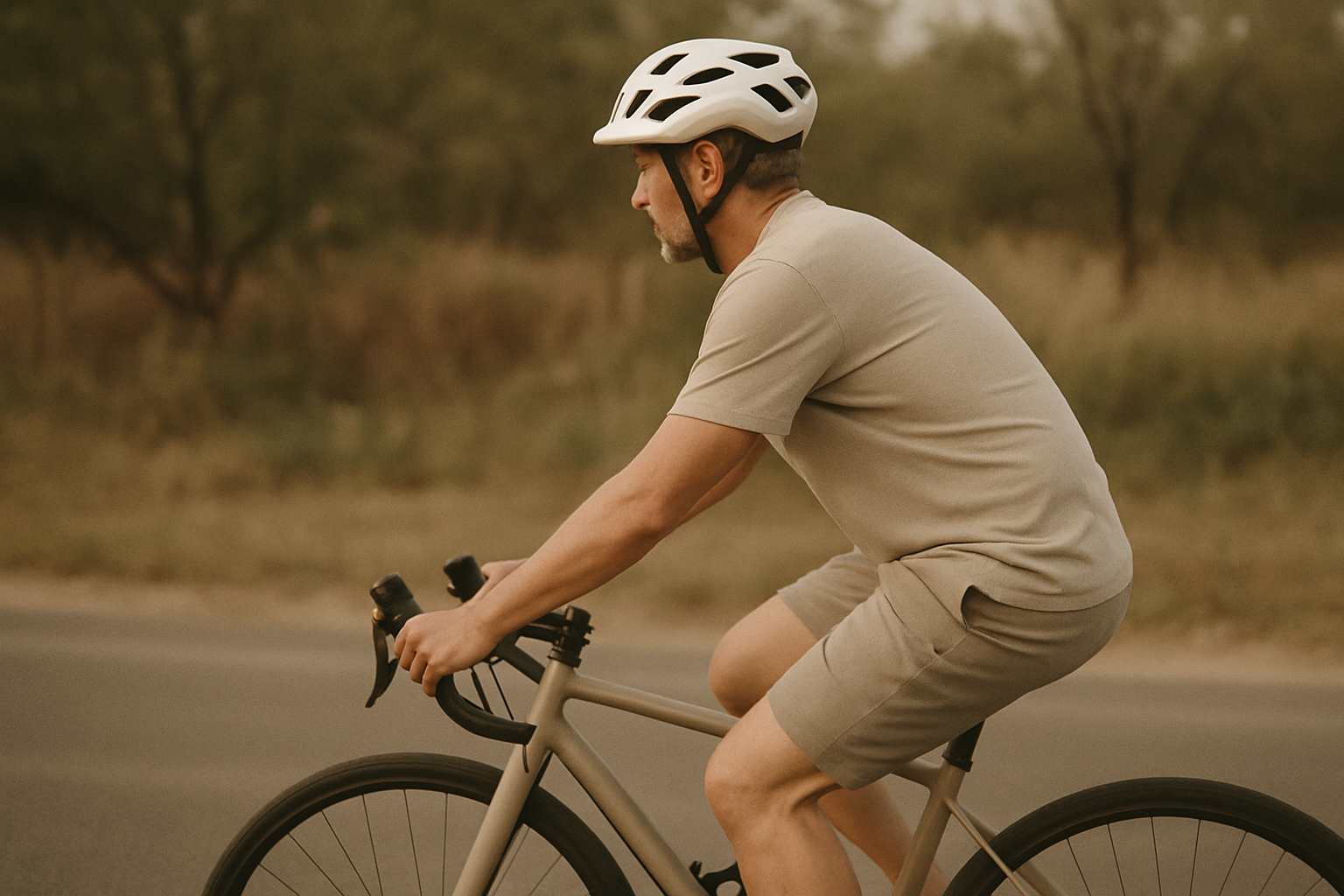
If you're trying to support testosterone through exercise, the type of cardio you do matters — a bit. The differences aren't as dramatic as social media suggests, but they exist. This guide compares HIIT and steady-state cardio honestly.
If you're trying to support testosterone through exercise, the type of cardio you do matters — a bit. The differences aren't as dramatic as social media suggests, but they exist. This guide compares HIIT and steady-state cardio honestly.
High-intensity interval training (short bursts of near-maximal effort with brief recoveries) produces a moderate acute rise in testosterone post-session. Studies in healthy men generally show that regular HIIT supports testosterone better than long, easy cardio, particularly when training time is limited.
HIIT is also efficient: meaningful cardiovascular and metabolic benefits in 20–30 minutes 2–3 times per week.
Moderate-intensity steady-state cardio (zone 2, conversational pace) has cardiovascular and metabolic benefits and doesn't suppress testosterone at reasonable doses. Walking, cycling, jogging at moderate intensity — all supportive.
Where steady-state becomes a problem: very high volumes (multi-hour endurance training several times per week), particularly when combined with under-eating, can suppress testosterone. This is the "chronic cardio" pattern some endurance athletes encounter.
For most men trying to support testosterone:
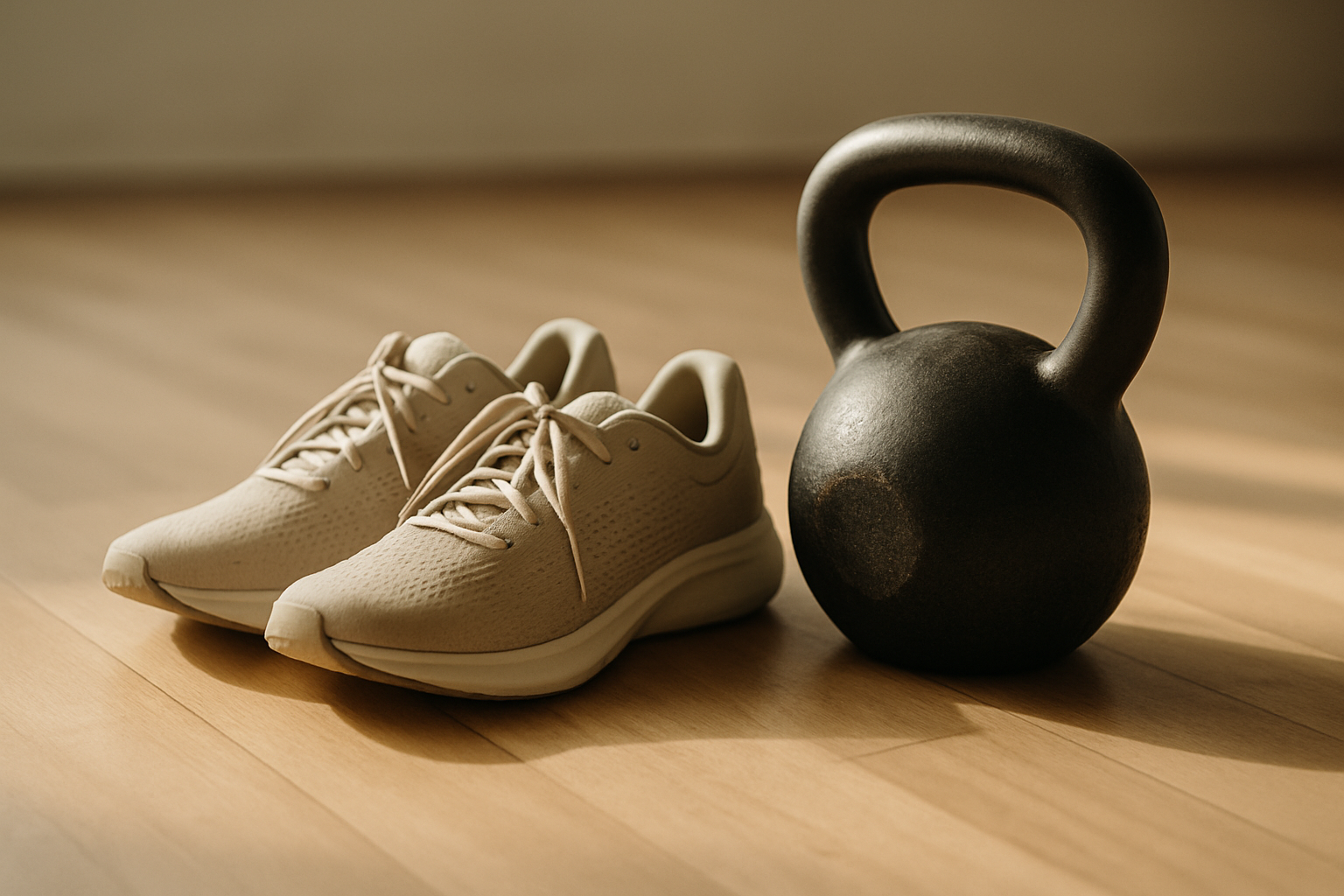
For a man optimising testosterone and general health: 3–4 strength training sessions per week, plus 2–3 cardio sessions per week with a mix of HIIT and moderate steady-state. Total weekly cardio doesn't need to be huge — 90–150 minutes is plenty for most men.
Reasonable volumes are supportive. Very high volumes (training for ultramarathons, multi-hour daily sessions) particularly with insufficient calories can suppress testosterone.
Both serve different purposes. For testosterone and body composition, strength training is the higher-leverage modality; cardio complements it.
If you're juggling training and concerns about hormones, book a confidential consultation with a Singapore-licensed doctor on Noah.

Articles on Noah are for informational purposes only and do not replace medical advice from a qualified doctor. To consult on Noah, click here. Noah's editorial standards are described on our editorial standards page.

Hackney AC. Testosterone responses to intensive interval versus steady-state endurance exercise. Journal of Endocrinological Investigation. 2012.