Sexual Health
June 11, 2026
·
read
Erection Rigidity vs Duration: Two Different ED Problems That Need Different Fixes


When men worry about erections, they're often worrying about two different things without realising it: how firm the erection is (rigidity) and how long it lasts (duration). These feel related, but they're not the same — and telling them apart can actually help you and a doctor understand what's going on. At Noah, a Singapore telehealth platform with licensed doctors, this distinction comes up often, because the two issues can have different drivers.
Understanding the difference replaces vague anxiety with something more specific and addressable.
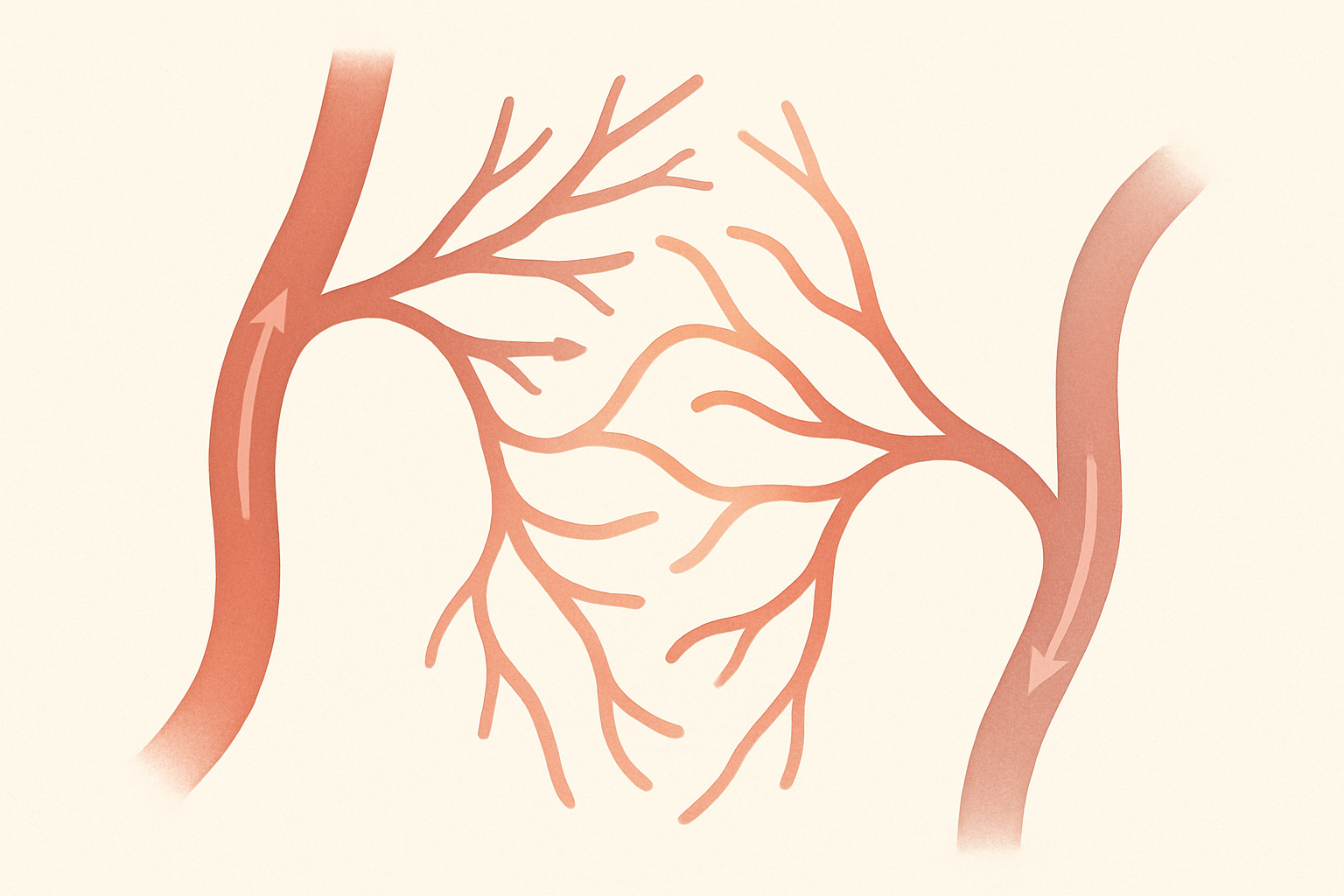
Rigidity is about how hard the erection gets. A firm erection reflects good blood flow into the penis and the ability to keep that blood there. When firmness is the main concern — erections that are softer than they used to be, or not quite firm enough for satisfying sex — the underlying factors often relate to circulation, nerves, or sometimes psychological state.
Because firmness leans heavily on healthy blood flow, persistent difficulty achieving rigidity is something a doctor may want to assess in the context of overall vascular health.
Duration is about maintaining the erection long enough. Some men get firm initially but lose it sooner than they'd like. This can point to slightly different factors — for example, difficulty keeping blood "trapped" in the penis, or anxiety that interrupts the relaxed state needed to sustain an erection mid-encounter.
Losing an erection partway through is a common and distressing pattern, and it's worth describing precisely to a doctor rather than lumping it under a general "ED" label.
Describing your experience accurately — "I can't get firm" versus "I get firm but lose it" versus "it doesn't last long enough" — gives a doctor more to work with. The patterns can hint at different contributing factors, which in turn shapes the most suitable approach. It also helps separate physical from psychological elements: difficulty that comes and goes by situation often suggests a psychological component, while consistent difficulty across all situations may point elsewhere. A doctor can interpret this properly.
It's worth saying plainly: there's no single universal standard for firmness or timing that every man must hit. Bodies and circumstances vary. The useful question isn't "do I match an ideal?" but "is this a change from my norm, and is it causing me concern?"
Consider a consultation if either firmness or staying power has persistently changed, if it's causing distress, or if you're simply unsure what's normal for you. A doctor can assess the pattern and advise on suitable next steps.
You don't need to self-grade your erections against some imaginary standard — you just need clear answers. On Noah, you can speak discreetly with MOH-licensed Singapore doctors who can assess your specific concern, whether it's firmness, duration, or both. It's private and confidential. Speak to a licensed doctor on Noah when you're ready.
This article is for general education and is not medical advice. A consultation with a licensed doctor is required before any treatment.
When men worry about erections, they're often worrying about two different things without realising it: how firm the erection is (rigidity) and how long it lasts (duration).