Hair Loss
June 15, 2026
·
read
Starting Combination Therapy for Hair Loss: A Month-by-Month Guide


For some men with male pattern hair loss, a doctor may consider more than one approach together — sometimes called combination therapy. Understanding what to expect over time helps set realistic expectations and supports sticking with a plan. At Noah, we think a grounded, month-by-month sense of the journey is useful, while emphasising that any such plan is doctor-led and individual.
This article is general education, not medical advice. Any hair loss treatment requires assessment and prescription by a licensed Singapore doctor.
Combination therapy refers to using more than one approach together for hair loss — for instance, options a doctor may consider such as finasteride and minoxidil, where appropriate. The rationale is that different approaches work in different ways, and a doctor may consider combining them for some individuals. Crucially, whether this is suitable for you depends on your situation and is a clinical decision. It's not something to assemble yourself from products; it starts with a doctor's assessment.
Before any timeline, the most important point is patience. Hair responds slowly, and meaningful changes take time — typically months, not weeks. Results also vary between individuals and aren't guaranteed. Going in expecting fast, dramatic results often leads to disappointment and premature giving up. A realistic mindset — steady, gradual, individual — is part of doing this well.
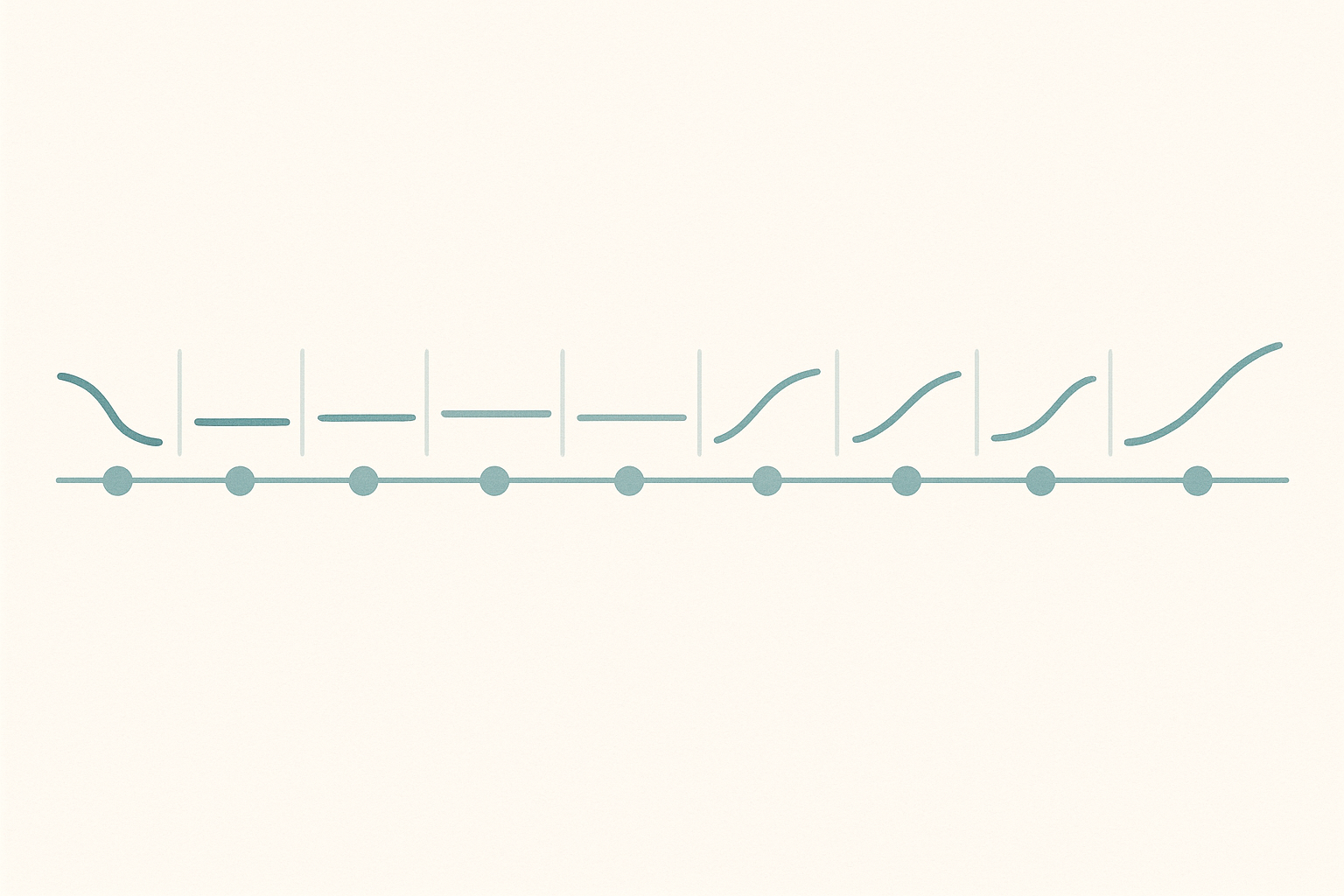
While every person is different, a broad, realistic picture often looks like this:
This is a general illustration, not a promise — your doctor will guide what to expect for you and assess your response over time.
Two things make combination therapy work as intended: consistency and medical supervision. Using treatments as directed, without sporadic gaps, supports results, while a doctor monitors your response, watches for any side effects, and adjusts the plan as needed. This supervision is exactly why combination therapy should be doctor-led rather than self-assembled. It keeps the approach appropriate, safe, and responsive.
A key point is that combination therapy isn't something to piece together from products you've read about online. Whether combining approaches is appropriate for you depends on your situation and is a clinical decision. It starts with a doctor's assessment, not a self-directed experiment. A doctor decides whether a combination is suitable, which approaches, and how to use them — then monitors your response. This is what keeps the approach safe and matched to your actual hair loss, rather than a guess based on what worked for someone else.
Two things make combination therapy work as intended: consistency and realistic expectations. Using treatments as directed, without sporadic gaps, supports results, while understanding that hair responds slowly — over months, not weeks — prevents premature giving up. Results vary between individuals and aren't guaranteed, and any benefit typically depends on continued use. A doctor will set expectations for your situation and assess your response over time. Going in with patience and a clear picture of what's realistic is part of doing combination therapy well.
It's worth speaking to a licensed doctor if you've noticed thinning or a receding hairline and want to understand your options, including whether a combination approach is appropriate for you. It's also worth reaching out if you're already on treatment and have questions, concerns, or side effects.
Hair loss treatments require medical assessment and prescription. A combination approach, if suitable, is a doctor-led, supervised plan — not a product to buy and combine on your own.
If you want to address your hair loss properly, a doctor can guide you. Noah connects you with MOH-licensed Singapore doctors through discreet, confidential online consultations. Start a consultation to discuss your hair loss.
This article is for general education and is not medical advice. A consultation with a licensed doctor is required before any treatment.
For some men with male pattern hair loss, a doctor may consider more than one approach together — sometimes called combination therapy.