Hormonal Health
May 21, 2026
·
4 mins
read
Body Composition vs Testosterone: Which Drives Which?


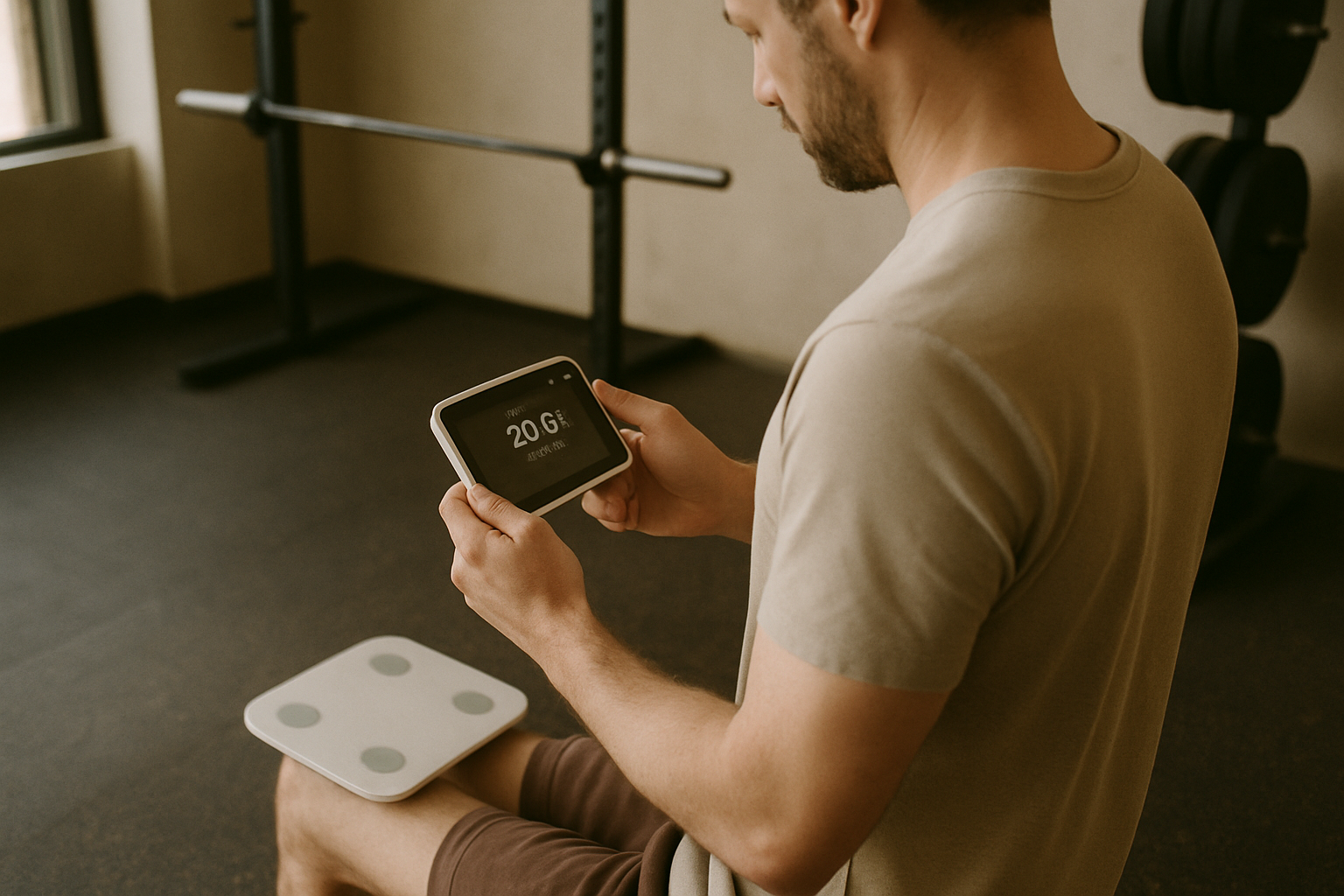
Body composition (the ratio of muscle to fat) and testosterone are tightly linked: each influences the other. The practical question for most men is which lever moves first. This guide answers it honestly.
Body composition (the ratio of muscle to fat) and testosterone are tightly linked: each influences the other. The practical question for most men is which lever moves first. This guide answers it honestly.
Body fat → testosterone: Adipose tissue contains aromatase, which converts testosterone to oestrogen. Excess body fat — particularly visceral — lowers effective testosterone. The mechanism is direct and well-documented.
Muscle mass → testosterone: The effect here is more indirect. Muscle is metabolically active, supports insulin sensitivity, and is itself testosterone-supportive at the metabolic level. Building muscle through training and protein doesn't dramatically raise testosterone, but it counteracts many of the consequences of low T.
Testosterone → body composition: Higher testosterone supports muscle protein synthesis and fat metabolism. Lower testosterone shifts body composition toward more fat (especially visceral) and less muscle.
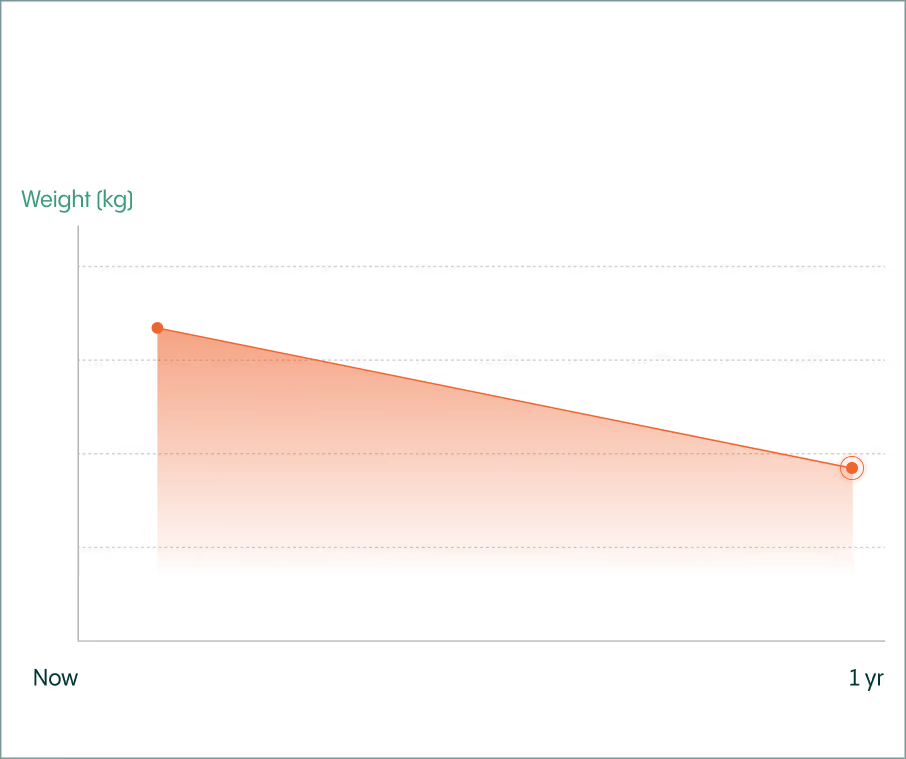
For most overweight men with suspected low T, the highest-leverage starting move is fat loss. Even modest weight loss (5–10% of body weight) reliably improves testosterone in this group. The aromatase mechanism reverses meaningfully as visceral fat decreases.
For lean men with low T, prioritise other lifestyle factors first (sleep, stress, training) and address hormonal investigation. Body composition isn't the lever in this group.
For men with confirmed hypogonadism whose testosterone is significantly low: addressing the hormonal side via medical treatment (when appropriate) often makes body composition work easier. The two reinforce each other in a virtuous direction when both are addressed.
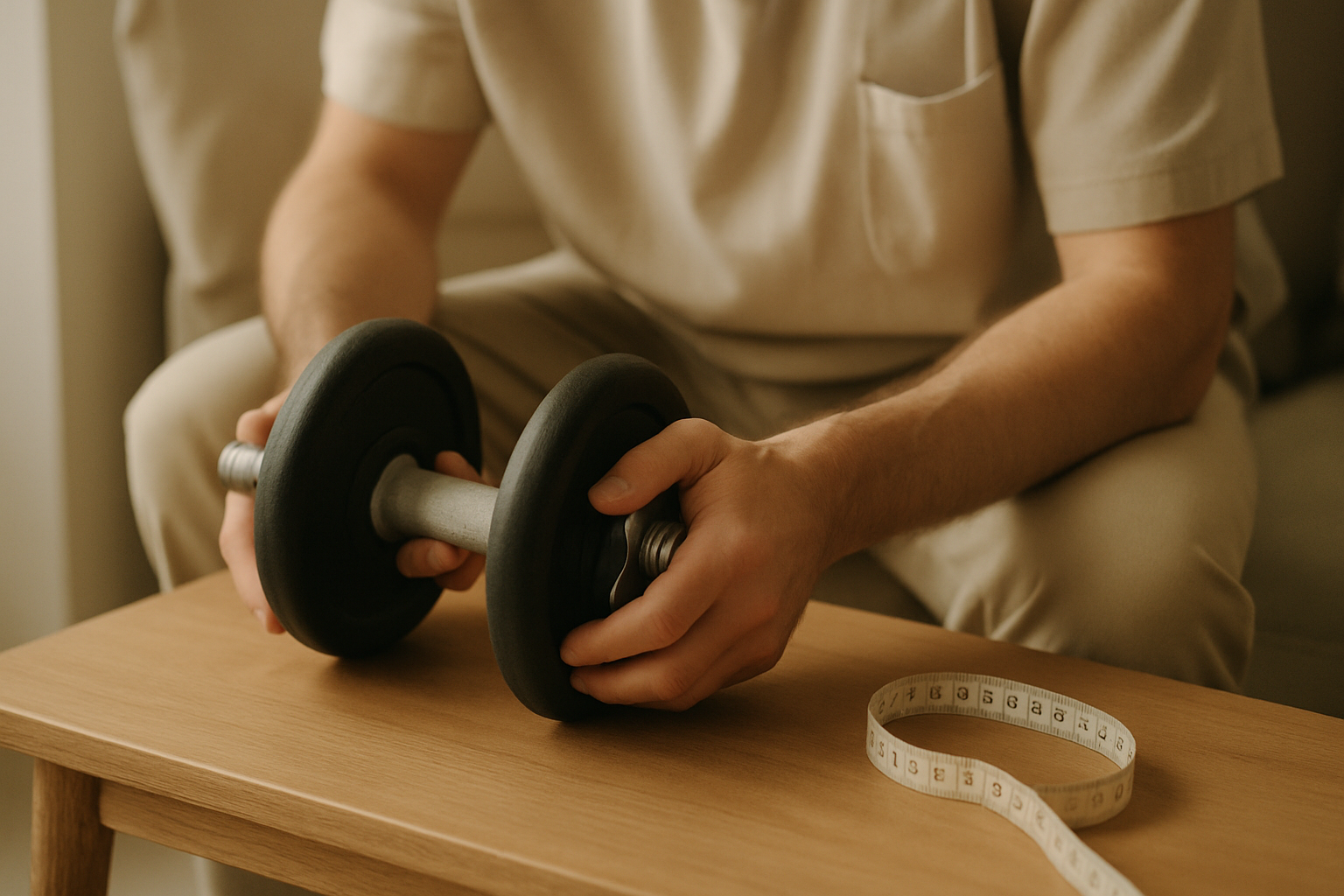
Caloric balance is the primary lever. Protein intake (~1.6–2.2g/kg/day for active men) is the second. Resistance training is the third. Sleep and stress management compound. This is well-established and tedious to keep relearning.
In overweight men, yes — often substantially. In lean men, the effect is smaller because aromatase activity isn't a major contributor.
Often yes — lifestyle changes first, then re-test, then consider treatment if hypogonadism persists. Some men need both addressed in parallel. A doctor can help judge the right sequence.
If you want to discuss body composition alongside hormones, book a confidential consultation with a Singapore-licensed doctor on Noah.

Articles on Noah are for informational purposes only and do not replace medical advice from a qualified doctor. To consult on Noah, click here. Noah's editorial standards are described on our editorial standards page.

Corona G, et al. Body weight loss reverts obesity-associated hypogonadism. European Journal of Endocrinology. 2013.